

How Often Should You Clean Your Dental Office?
A clean dental office is more than just a tidy space, it’s essential for patient safety, staff wellbeing, and a professional environment. From treatment rooms to waiting areas, every part of the practice needs attention.
But how often should a dental office be cleaned? The answer depends on the type of cleaning, the area being cleaned, and infection control requirements.
At Officlean, we help dental practices across Birmingham, Wolverhampton, Leicester, Coventry, and surrounding areas keep clean. This guide explains how often different parts of your dental office should be cleaned, what professional cleaning services can offer, and how to maintain high standards between visits.
How Often Should Dentist Offices Be Cleaned?
Daily Cleaning
Daily cleaning forms the foundation of a safe and hygienic dental practice. High-touch areas and patient-facing surfaces must be cleaned every day to reduce the spread of germs and maintain a professional environment.
Reception and Waiting Areas
Reception and waiting rooms are high-traffic spaces, so they require attention daily. Cleaning should include:
- Wiping and disinfecting chairs, tables, counters, and door handles
- Sanitising pens, clipboards, screens, and other shared touchpoints
- Keeping magazines, brochures, and displays tidy and dust-free
A clean reception area not only supports hygiene but also reassures patients that your practice prioritises safety and professionalism.
Treatment Rooms
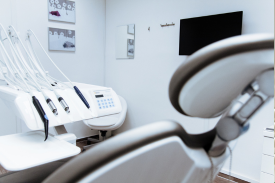
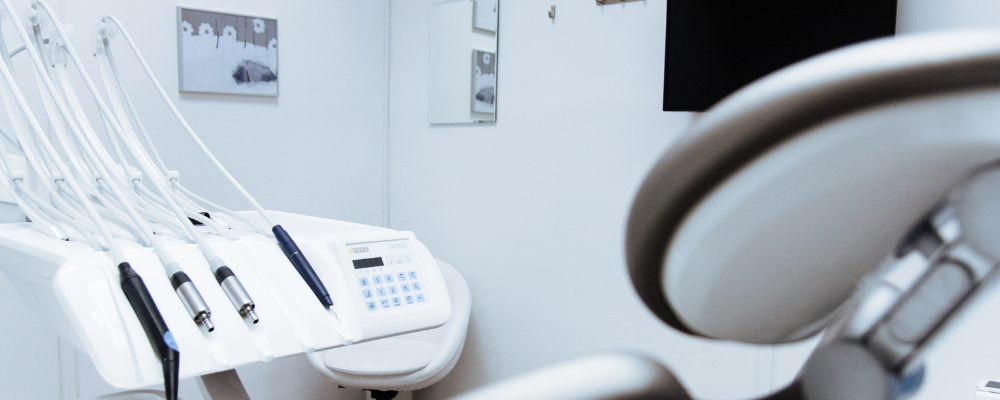
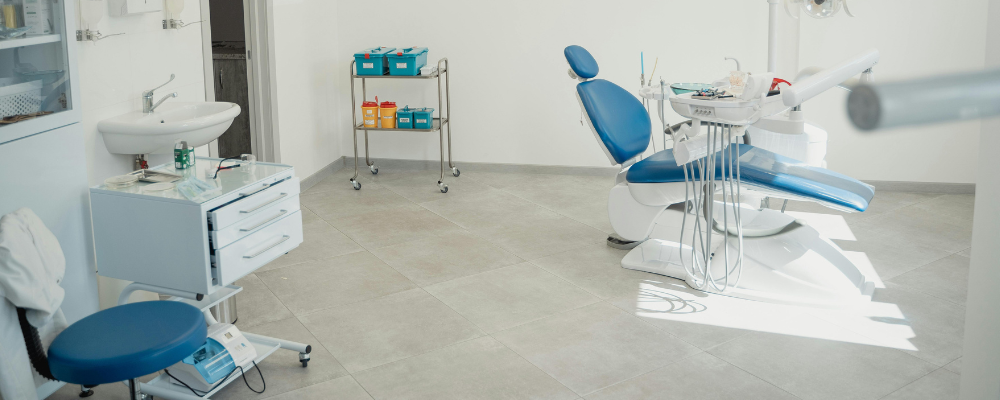
Treatment rooms are the heart of your dental practice, and daily cleaning is essential to maintain infection prevention standards. Daily tasks include:
- Disinfecting dental chairs, countertops, sinks, and work surfaces
- Wiping down dental equipment surfaces where appropriate
- Emptying and sanitising bins
- Keeping floors free from debris and spills
Consistently clean treatment rooms help protect patients and staff while creating a safe and comfortable environment.
Washrooms
Washrooms are high-risk areas for bacteria and must be cleaned every day. Cleaning should include:
- Thoroughly cleaning toilets, sinks, mirrors, and dispensers
- Restocking soap, hand sanitiser, and paper towels
- Wiping down door handles, taps, and other high-touch surfaces
Regular washroom cleaning prevents unpleasant odours, supports hygiene, and ensures a safe space for both staff and patients.
Staff Kitchens and Break Rooms
Staff areas often see less traffic but still require daily cleaning to prevent cross-contamination. Daily tasks include:
- Wiping tables, counters, sinks, and appliances
- Emptying and sanitising bins
- Sweeping or mopping floors to remove dirt and spills
Maintaining hygiene in staff areas keeps your team safe and supports a professional workplace culture.
Floors
High-traffic floors can harbour dirt, bacteria, and germs. Daily cleaning should include:
- Sweeping, vacuuming, or mopping hard floors and carpets
- Spot-cleaning spills or debris immediately
- Ensuring all areas are safe and visually appealing
Clean floors not only prevent the spread of dirt but also enhance overall patient confidence and staff wellbeing.
Weekly Cleaning
Weekly cleaning targets areas that may not need daily attention but accumulate dust or bacteria over time.
Detailed Dusting
Dust can settle on skirting boards, vents, blinds, shelves, and other surfaces. Weekly dusting helps:
- Maintain a fresh environment
- Improve air quality
- Prevent dust from settling in hard-to-reach areas
Equipment Cleaning
Non-clinical equipment like computers, phones, keyboards, and printers should be wiped and disinfected weekly to remove dust and reduce bacterial build-up.
Floor Care
Hard floors in low-traffic areas should be mopped or buffed weekly, while carpets should be spot-cleaned as needed. This keeps floors hygienic and visually professional.
Monthly and Deep Cleaning
Monthly and deep cleaning focuses on areas not addressed daily or weekly, ensuring your dental practice stays thoroughly hygienic.
Carpets and Upholstery
Professional deep cleaning removes embedded bacteria, allergens, and dirt from carpets and soft furnishings, supporting a healthier environment for patients and staff.
Windows and Glass Surfaces
Cleaning windows, glass partitions, and mirrors inside and out removes smudges, dust, and pollutants, maintaining a bright and professional appearance.
Equipment Maintenance
Equipment that is rarely moved or has intricate parts should be deep-cleaned thoroughly, ensuring all surfaces, including hard-to-reach areas, are hygienic and dust-free.
Storage Areas
Cupboards, stock rooms, and storage spaces should be organised and sanitised monthly to prevent dust, contamination, and clutter.
Get in touch with our team in East and West Midlands
Simply call us on 01902 895533 or fill out our contact form to arrange a cleaning plan that suits your business.